PET recycling: a model for success – Germany sets the standard in the circular economy
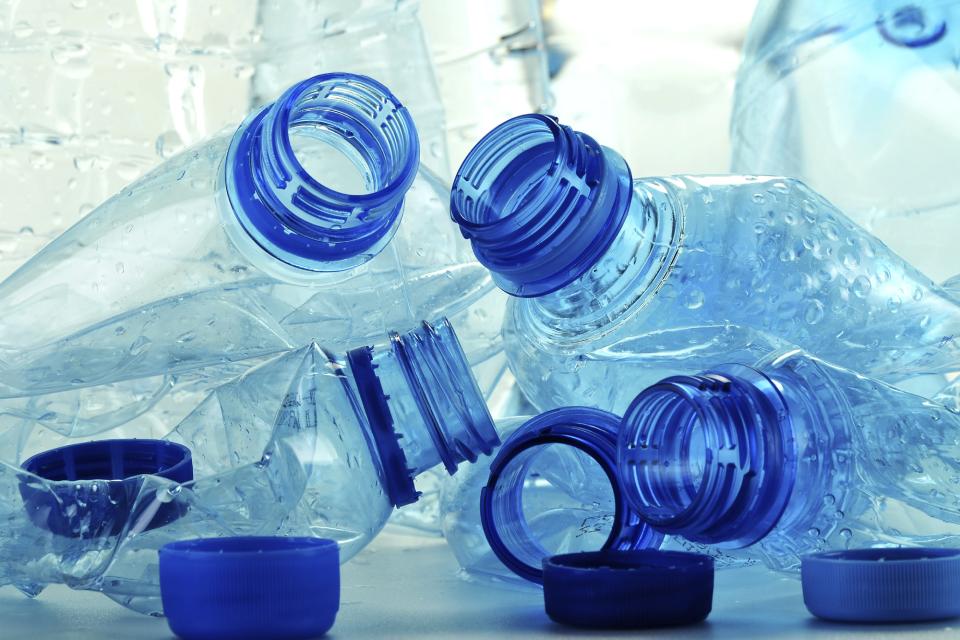
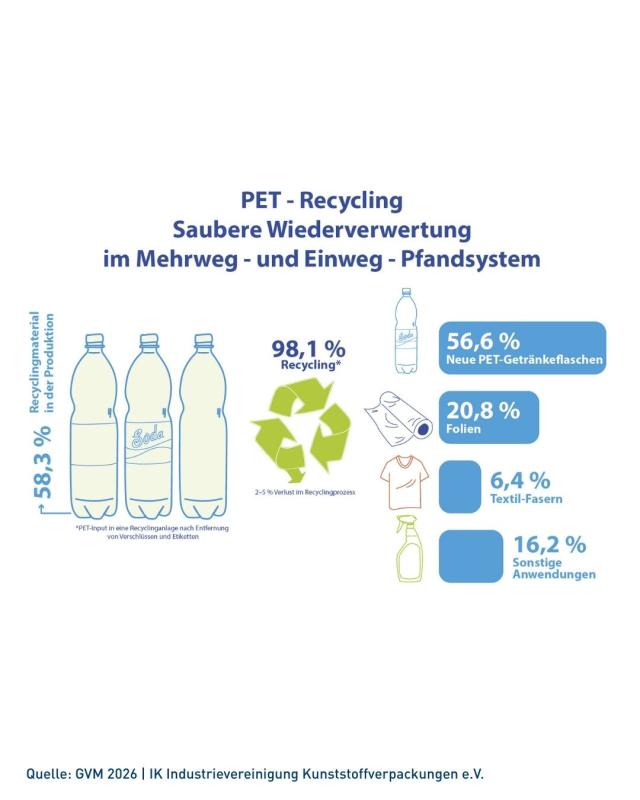
The new GVM study clearly demonstrates that, with an average of 58 per cent recycled PET in German drinks bottles (in 2025), the industry is significantly exceeding the existing EU target of 25 per cent. It is therefore clear that PET drinks bottles are a model of success for the circular economy and demonstrate the transformative power of German industry.
High efficiency of the German PET cycle
According to the findings of a study carried out by GVM Gesellschaft für Verpackungsmarktforschung mbH on behalf of Forum PET, two factors play a decisive role in ensuring high performance and a functioning material cycle:
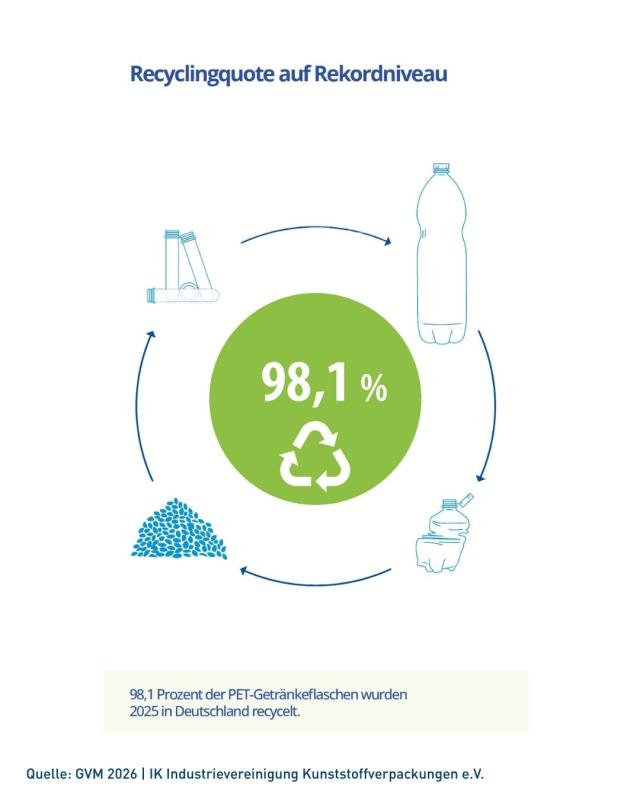
1) The established deposit system operated by Deutsche Pfandsysteme GmbH lays the foundation for the separate collection of deposit bottles by consumers. In Germany, a total of 99 per cent of all PET beverage bottles were collected for recycling! The system has proven its worth over many years, enjoys a high level of acceptance across Europe and enables the professional, high-quality recycling of PET bottles.
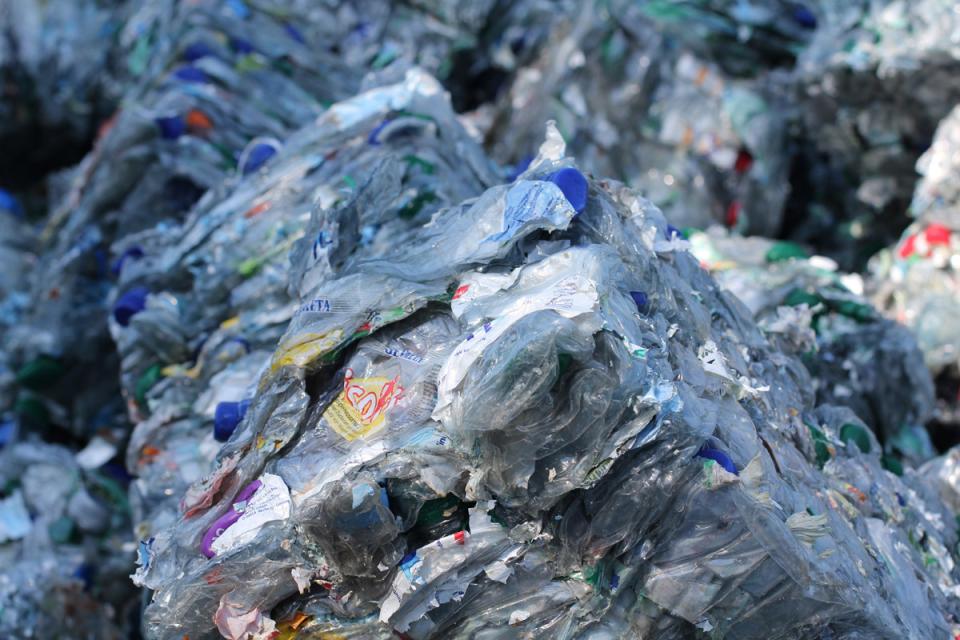
2) An established recycling infrastructure and close cooperation along the value chain – involving raw material producers, bottle manufacturers, bottling plants, retailers and recyclers – ensure a functioning circular economy. As a result, over 95 per cent of the PET used in beverage bottles is recovered. A large proportion of the recycled material is reused in the industrial production of beverage bottles, meaning the material remains within a closed-loop system.
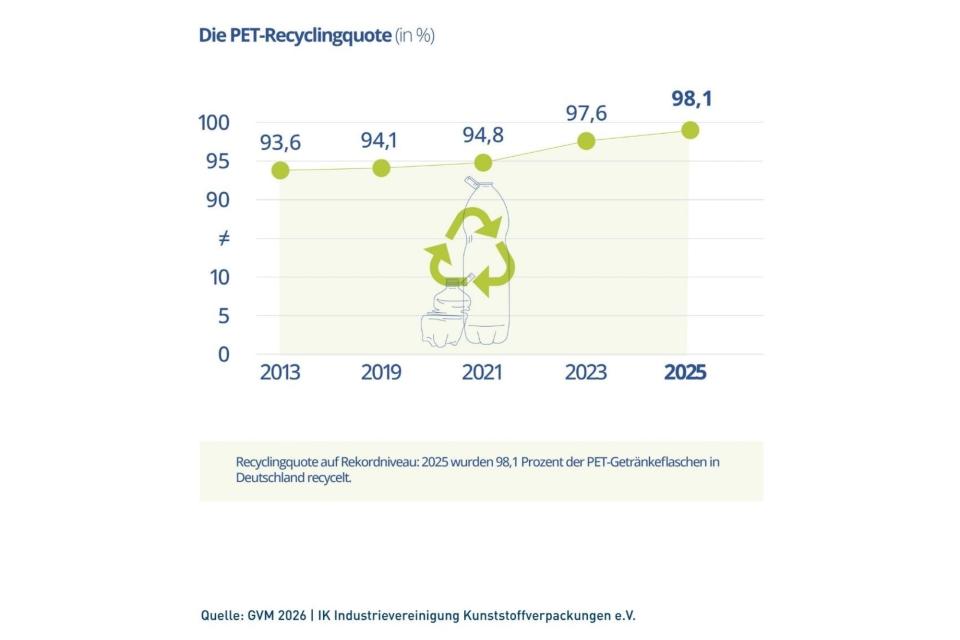
Thanks to the industry’s ongoing efforts, the proportion of rPET in the production of PET drinks bottles has increased by 34 percentage points between 2013 and 2025, reaching 58 per cent. The recycling rate has risen by 4 percentage points over the same period to 98 per cent.
Optimisations in the use of materials lead to further savings in raw materials
In addition, the industry has implemented further optimisation measures. Alongside the increasing use of recycled materials, overall material consumption has been reduced by 25 per cent since 2017. The result: savings in raw materials through shorter threads and reduced wall thicknesses, whilst maintaining the same quality and stability and achieving a lower weight. This ‘lightweighting’ has a positive impact on CO₂ emissions during production and transport. Further information and the full study can be found at www.forum-pet.de.