

PET recycling: From PET bottles to high-quality PET flakes and PET granules
“We close loops! We support our customers with tailored solutions in PET recycling.“
Nicolas Wördemann
Customer service
PET in the recycling cycle
Lightweight, extremely durable and versatile: PET has established itself worldwide as the material of choice for bottling drinks and mineral water, impressing with its high stability, product safety and excellent suitability for well-functioning recycling loops.
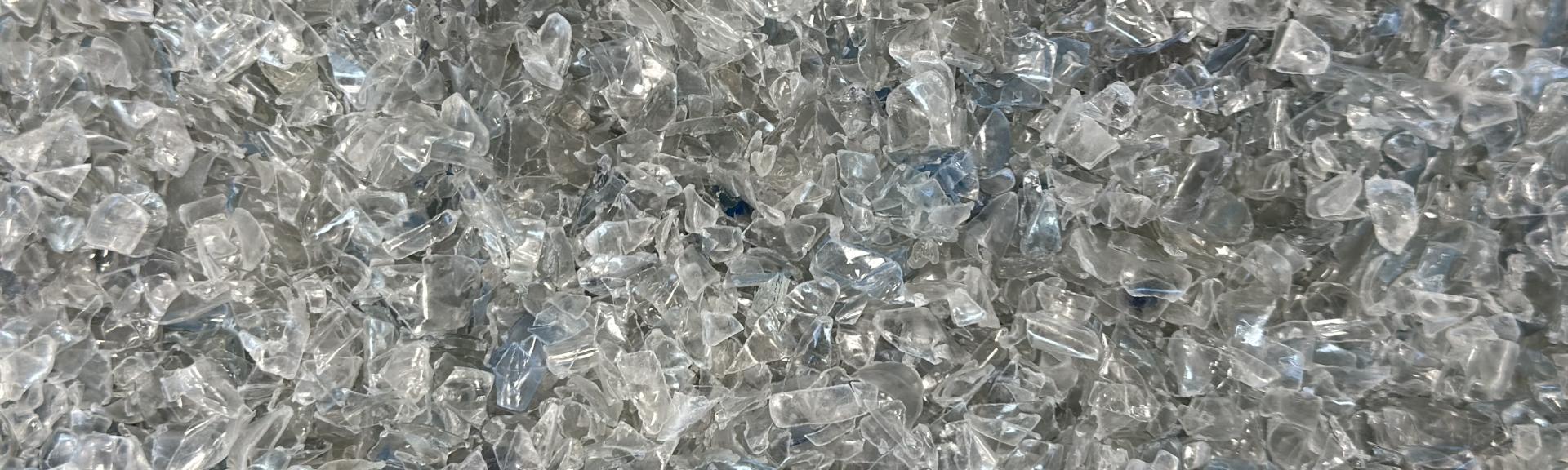
To ensure the responsible use of resources, efficient PET recycling to the highest standards is essential. This is because the professional recycling process produces, among other things, PET flakes and PET pellets, which are used as secondary raw materials for new products.
Contact us quickly and easily using our inquiry form and receive a non-binding quote. You can find our certificates here.
PET recycling with Reiling
Reiling ensures the PET cycle is managed holistically – from collection and professional processing right through to the supply of high-quality recycled materials in the form of PET flakes and PET granules. Through our consistent commitment, we ensure the recycling of PET bottles and play a key role in keeping valuable resources within the cycle.
The recycled material forms the basis for high-quality new products: it is processed into new PET bottles as part of a closed ‘bottle-to-bottle’ cycle, as well as into films, plastic fibres, packaging and packaging straps.
Up to 140,000 tonnes of PET beverage bottles are processed annually at our production sites in Hamm, North Rhine-Westphalia, and Burgbernheim, Bavaria. With high-performance processing methods, we lay the foundation for high-quality PET recycling and effective material cycles.
Collection of PET bottles
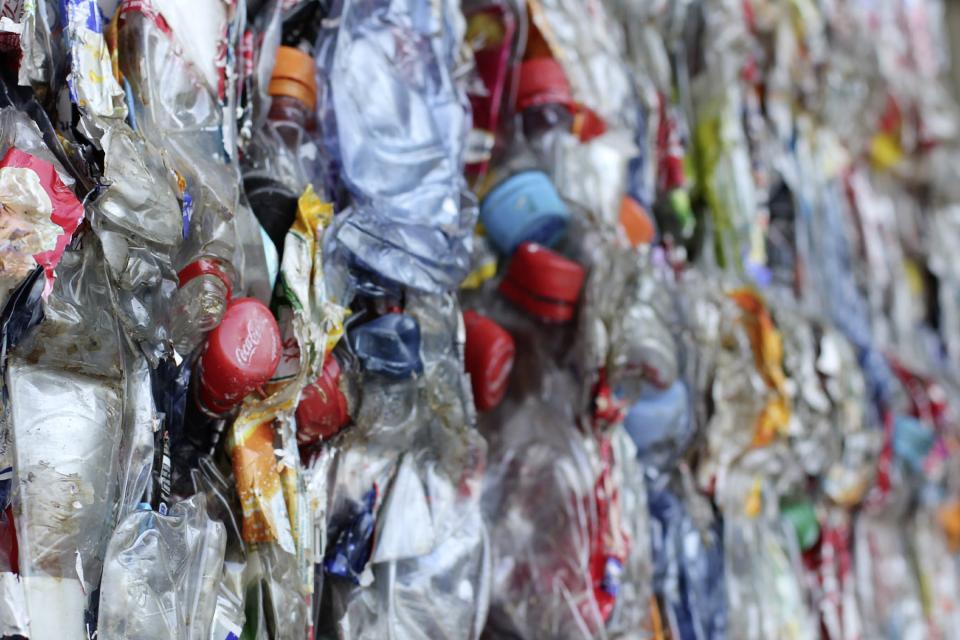
Efficient PET recycling begins when a PET bottle is returned to the recycling loop by the distributor, bottler or consumer. We provide comprehensive and tailored support to bottling plants and food retailers for the collection of PET bottles, offering a range of options to choose from. This includes skips in various sizes, PET balers and mobile briquetting presses, as well as stand-alone solutions in accordance with packaging regulations. On-demand collection is, of course, available! We provide support tailored to your needs and will find a solution specifically designed for you.
Contact us – We are happy to coordinate an appointment on site.
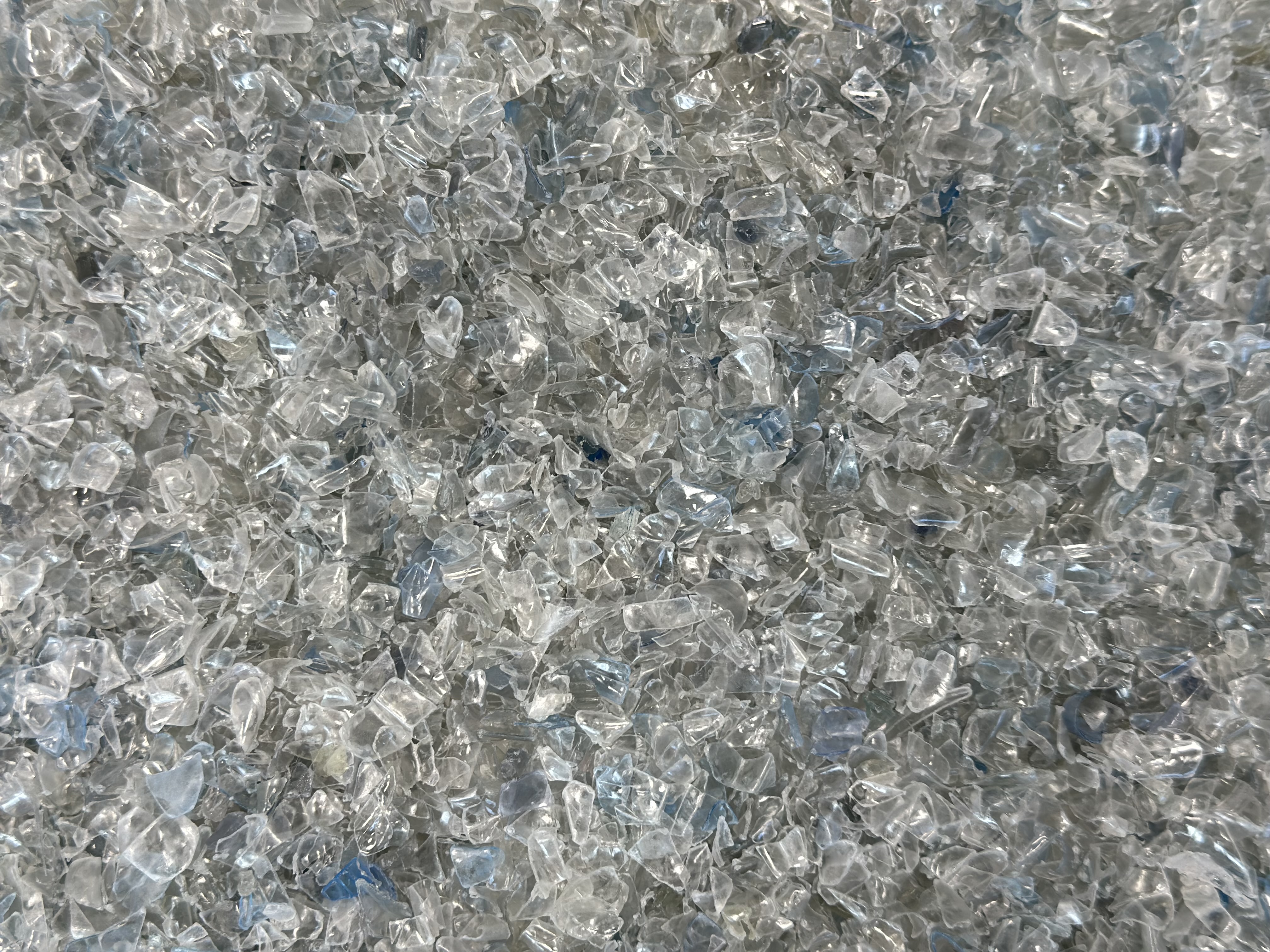
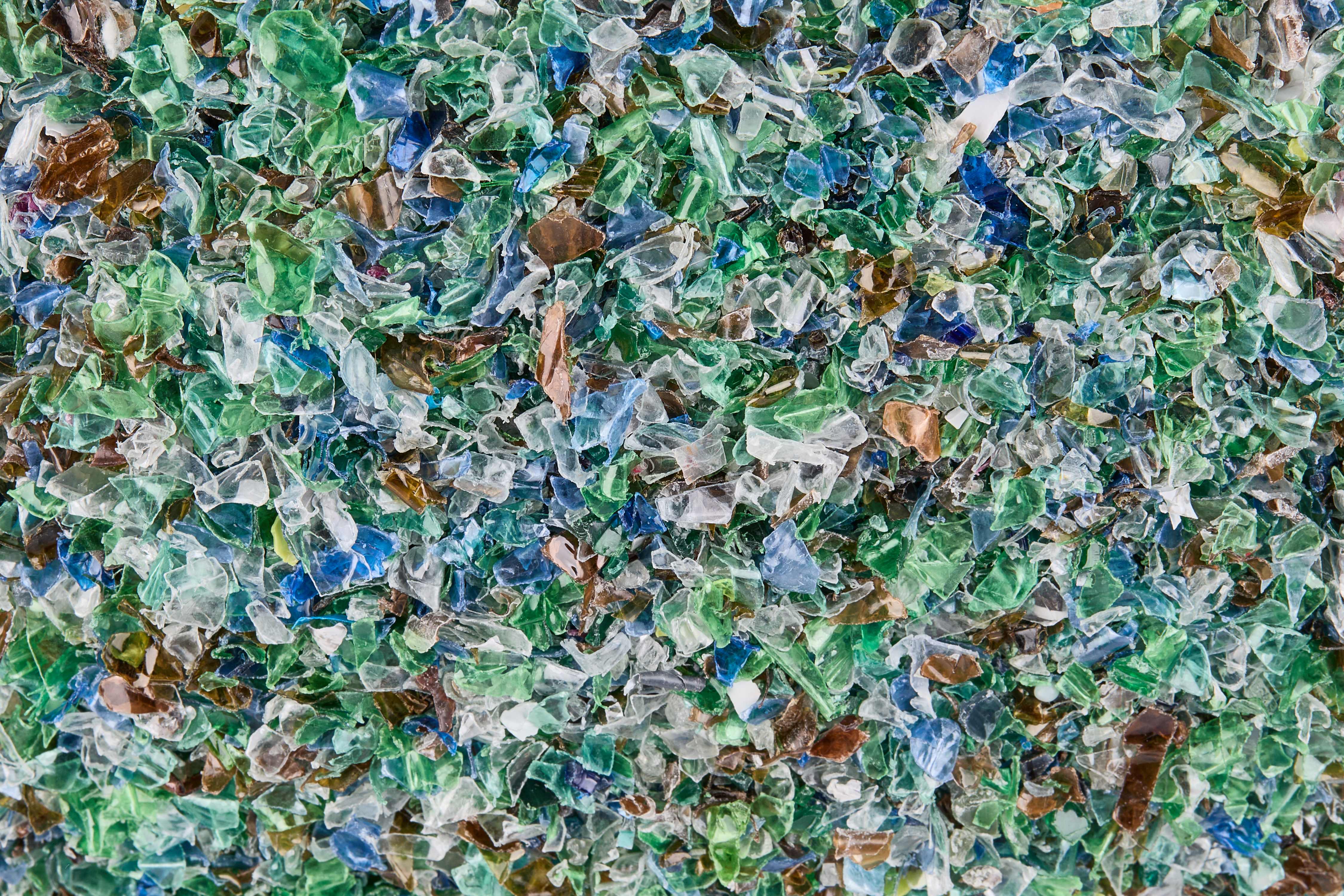
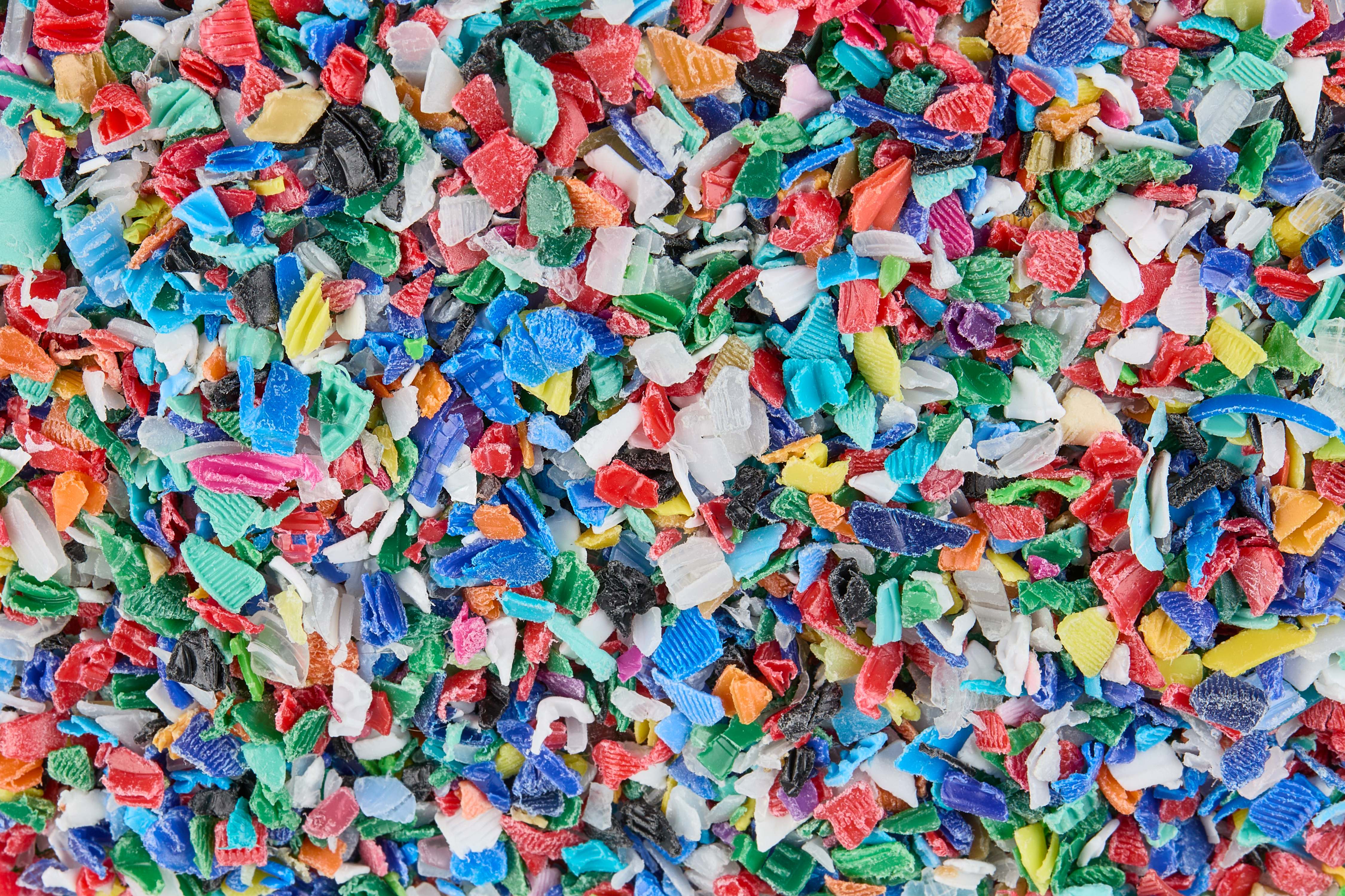
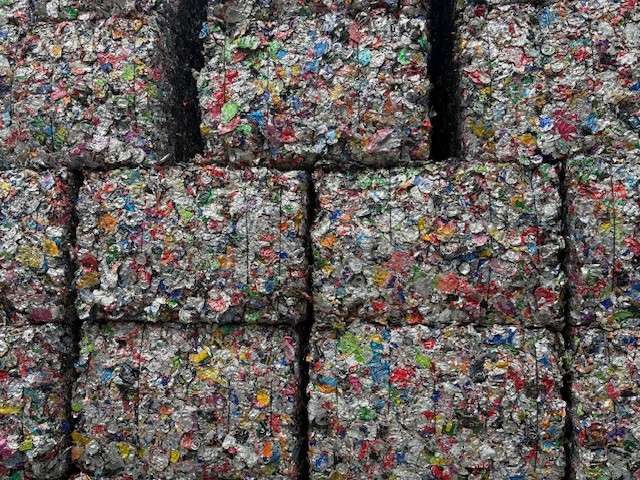
From PET bottle to PET flakes
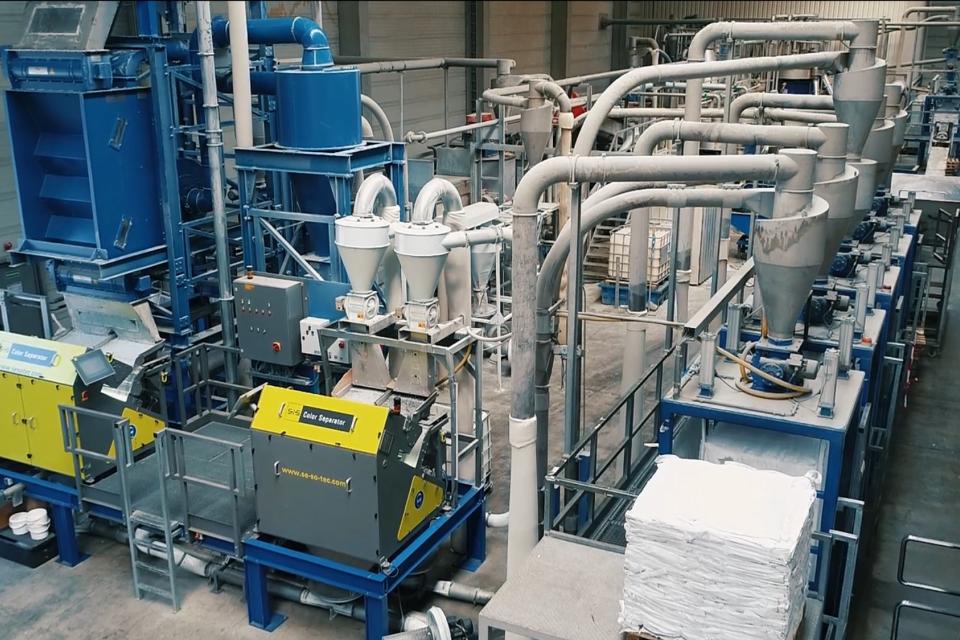
Our PET recycling plants meet the very latest standards and are constantly being upgraded through ongoing investment in our machinery to meet increasingly demanding challenges of PET recycling.
In the first step, foreign and unwanted materials are removed, followed by colour sorting. This is followed by the crushing of the PET bottles into PET flakes. Next, PET and PO are separated using density separation, before any remaining contaminants are reliably removed using a hot caustic soda washing system. A final drying process, including re-sorting of the PET flakes, completes the fully automated recycling process.
Delivery is tailored to the customer’s requirements in Big Bags or silos. Our end products are high-quality PET flakes (clear and coloured) with ‘Ready for Decontamination Output’ status, which pass comprehensive quality tests and can be processed into food-grade PET pellets.
The PE/PP cap regrind obtained during the recycling process has the same product status as the PET flakes. Beverage cans, which form part of the deposit system, are sorted out and compressed into aluminium bales in a separate processing stage before being returned to industry.
From PET flakes to food-grade PET pellets
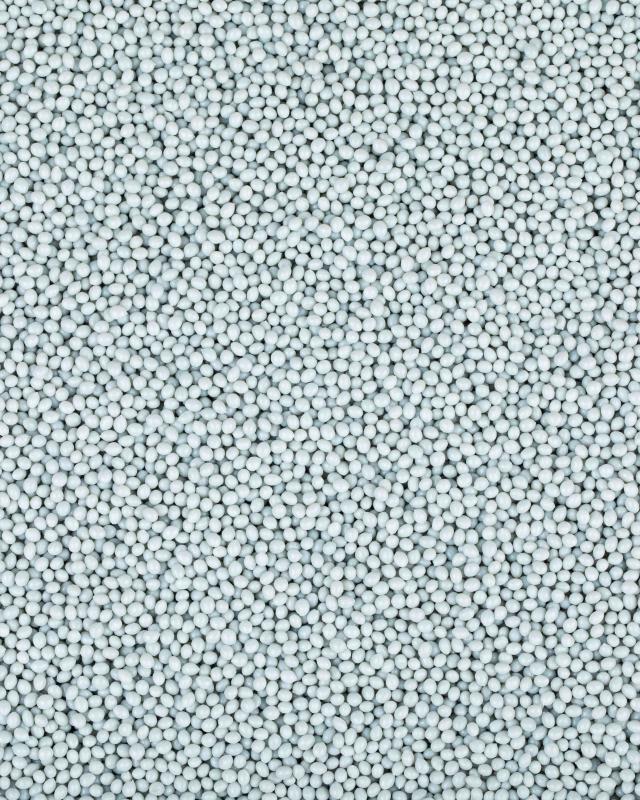
In the next step of our PET recycling process, the recycled PET flakes produced earlier are processed into high-quality, food-grade PET pellets using innovative and highly specialized recycling technology from Next Generation Recyclingmaschinen GmbH (NGR). The recovered PET pellets are suitable for food contact materials in accordance with EFSA and FDA guidelines. Unlike conventional processes, the cleaning (decontamination) of the material takes place in the liquid phase.
Process advantages:
- Continuous process
- Rapid iV build-up
- Automatic control of the iV
- High decontamination performance
- High energy efficiency
- EFSA / FDA approval for 100% food contact
Certified quality in PET recycling
The highest quality standards are an essential part of our PET recycling process. Our quality management system oversees the entire processing process and ensures the consistently high quality of our PET flakes and PET pellets through regular and comprehensive testing. We test for:
- Particle/pellet size
- Bulk density
- Moisture
- Intrinsic viscosity (iV)
- Foreign plastics
- Colour impurities
- Contaminants (e.g. metals, wood, glass, dust, etc.)
- L* a* b* colour values
- Volatile substances (e.g. acetaldehyde, benzene, etc.)
Our high-quality products are regularly tested by independent external laboratories and as part of annual audits, thereby ensuring the highest quality standards at all times.
FAQ PET recycling
True to the motto: Your questions – our answers! We answer frequently asked questions about PET recycling in our PET recycling plants.
Reiling recycles PET bottles, deposit-bearing PET products and post-industrial rejects.
PET recycling is important because it reduces the need for virgin raw materials in the manufacturing industry. This is because rPET recyclates can be used in the production of new products, such as new PET bottles. This helps to conserve resources. Thanks to the well-established collection system for PET bottles, the recycling process can be designed efficiently. In addition, the PET recycling rate serves as an important indicator for assessing the effectiveness of waste management systems.
The PET bottles collected via deposit systems or recycling collections are fed into a state-of-the-art PET recycling process. In the first step, foreign and disruptive materials are sorted out, then sorted by colour. Sorting is followed by the shredding of the PET bottles into PET flakes. This is followed by sorting by density separation before any remaining contamination is reliably removed using a caustic soda hot washing system. A final drying process, including re-sorting of the flakes, completes the fully automated recycling process. The end product is high-quality PET flakes with the status ‘Ready for Decontamination Output’ (RecyClass Module A1).
The PE/PP cap regrind obtained in the recycling process has the same product status as the PET flakes. Aluminium beverage cans, which are part of the deposit system, are sorted out and pressed into aluminium bales in a separate processing step and supplied to industry accordingly.
The recycled PET flakes can then be processed into high-quality PET granulate (RecyClass Module A2) for food contact materials in accordance with EFSA and FDA requirements using innovative and highly specialised recycling technologies.
PET can be recycled indefinitely.
Yes, recycled PET can be reused in the food sector, provided that it has undergone the documentation process certified by the European Food Safety Authority (EFSA).
Recycled PET bottles can be processed in a variety of ways and are used in numerous industries. A large proportion of recycled PET is used to manufacture new PET bottles. In addition, recycled PET bottles are widely used in the textile and fibre industry. The packaging industry is also increasingly turning to recycled PET. Other areas of application include electrical engineering and mechanical engineering. Recycled PET is even used in medical technology. This wide range of applications shows how valuable recycled PET bottles are as a source of raw materials.
Reiling obtains the PET bottles for recycling from various sources. These include food retailers, the beverage industry and bottling plants.
In the food sector, the established deposit system ensures that PET bottles are collected cleanly. This efficient recycling process enables the production of high-purity recyclates that meet the requirements for contact with food and can therefore be used safely in the production of new PET bottles and other food packaging.
In the non-food sector, PET packaging (e.g. cleaning agent bottles or fruit and vegetable trays) is collected via dual systems. This packaging is not subject to a deposit requirement. Nevertheless, it is also processed and recycled using modern sorting and recycling processes.
Yes, recycled PET bottles are safe. Negative reports about alleged health risks from plasticisers, bisphenol A, have not been scientifically confirmed. PET bottles do not contain any plasticisers. High-quality recyclates come from closed recycling systems that enable particularly clean and single-type collection.
In addition, a controlled recycling process in conjunction with compliance with strict legal requirements ensures the safety of recycled PET bottles. These are monitored by the European Food Safety Authority (EFSA), among others, and support safe reuse in the food sector.
Starting a new life cycle
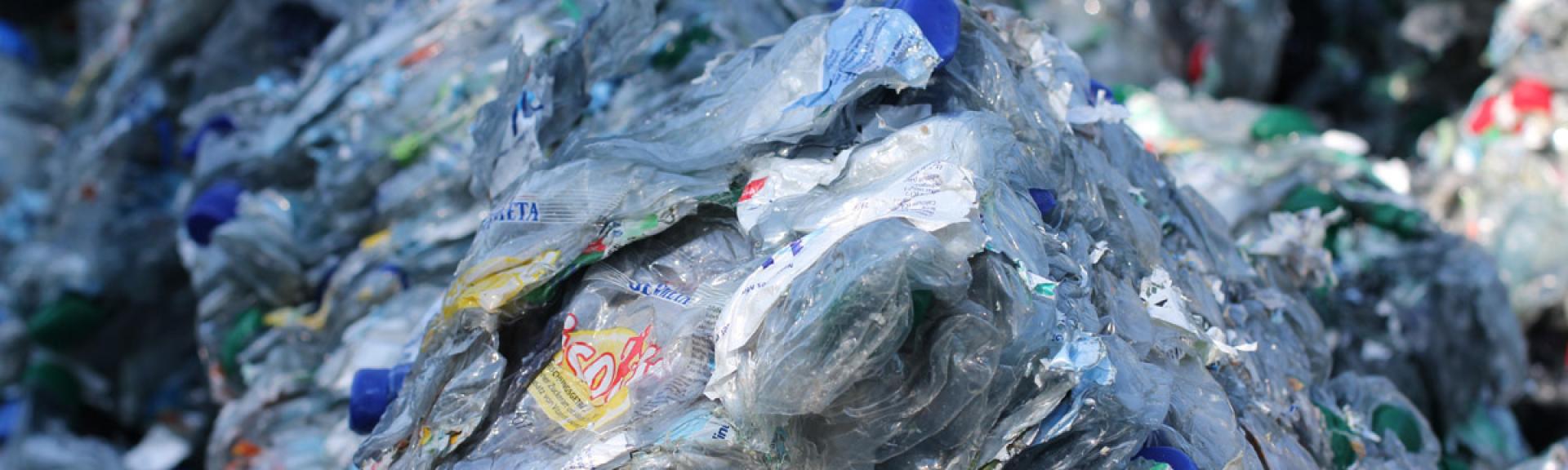
Reiling’s PET recycling ensures that the recyclate is sorted by type and to form the basis of a wide range of uses for the recovered recyclate. In addition to blending in the production of new PET bottles, the granules are also used in the manufacture of polyester fibres as well as in film applications or packaging tapes.
Reiling – We close cycles!