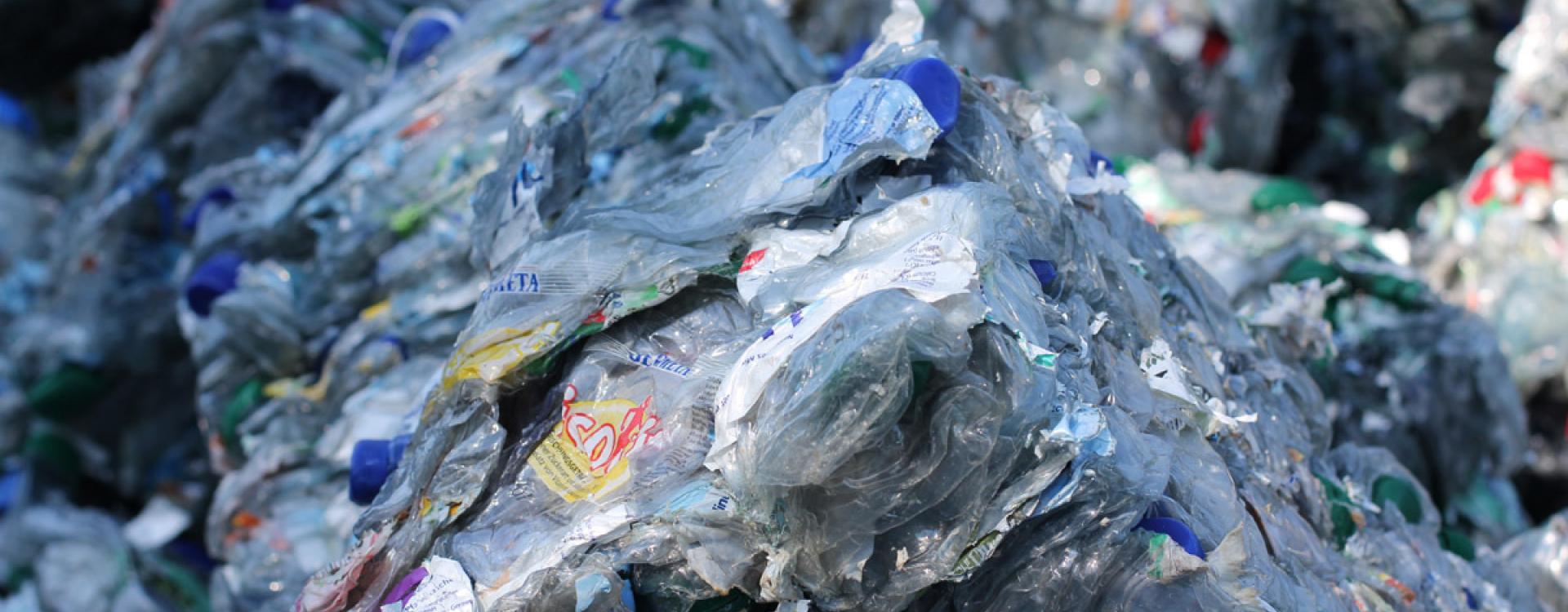
PET recycling
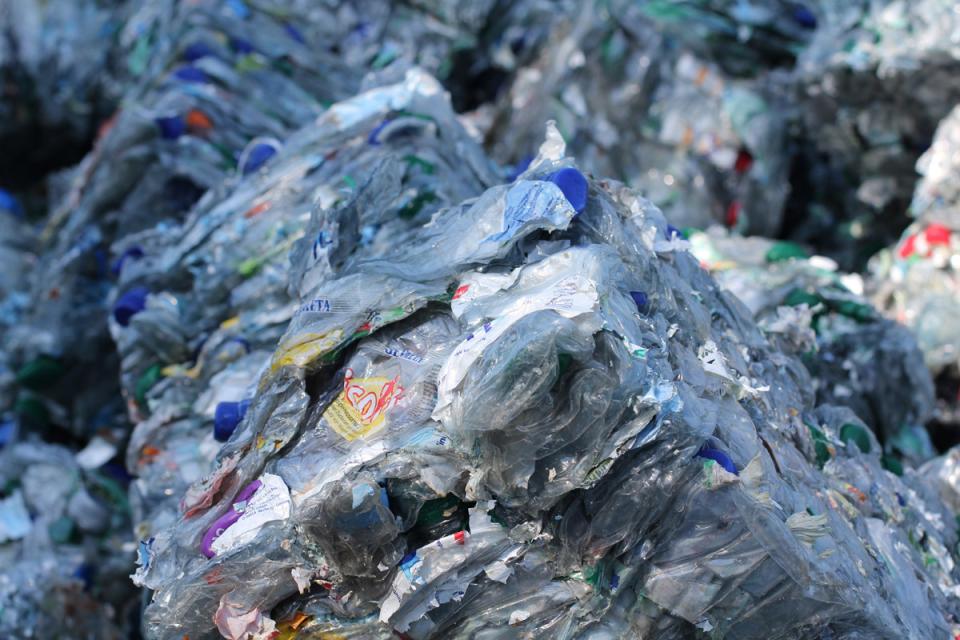
PET is lightweight, durable and versatile. The plastic is particularly commonly used for drinks bottles. But how is PET recycled? Used PET bottles are collected, sorted, shredded and cleaned. This produces high-quality PET flakes, which can then be processed into food-grade PET granulate.
PET bottles are returned to the recycling cycle via deposit schemes or recycling collections, for example. At Reiling’s PET recycling sites, foreign and contaminating materials are first removed. The bottles are then sorted by colour. The next step involves crushing the PET bottles. The resulting PET flakes are then sorted by plastic type using a density separation process. The resulting PE/PP cap regrind, like the PET flakes, can be reused as a secondary raw material. Any remaining impurities are removed in a hot caustic soda washing plant. A final drying and re-sorting stage completes the recycling process. The cleaned PET flakes can then be processed into high-quality, food-grade PET granulate. During this process, the material is thoroughly cleaned and freed from any potential contaminants. Regular quality checks ensure the quality of the product. The resulting PET granules can be used in the ‘bottle-to-bottle’ cycle for the production of new PET bottles. In addition, recycled PET is used to produce, for example, films, packaging, packaging straps and textile fibres.
We recycle PET at our Reiling sites in Hamm-Uentrop and Burgbernheim. PET recycling ensures that valuable raw materials remain in the cycle and can be reused to make high-quality products.