What properties make glass an ideal material for recycling?
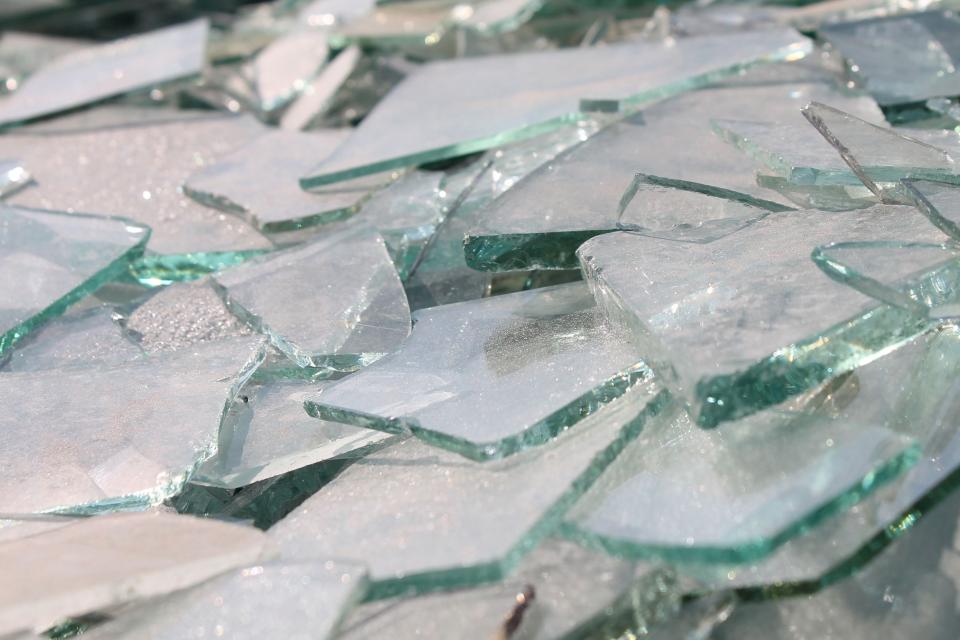
The fact that glass is ideal for the circular economy is demonstrated above all by its virtually unlimited recyclability. In glass recycling, the material can be melted down and reused as often as required without any loss of quality. Old bottles or discarded panes can be turned back into high-quality glass products. Glass remains fully usable even after several recycling cycles.
This makes the material particularly well-suited to closed-loop material cycles. Whilst other materials may lose quality during recycling, the characteristic properties of glass are retained. High-quality glass cullet can therefore be reused for demanding applications. Recycled glass also replaces primary raw materials such as sand, soda and lime. This means that fewer new raw materials need to be extracted, transported and processed. The materials already in use remain within the economic cycle.
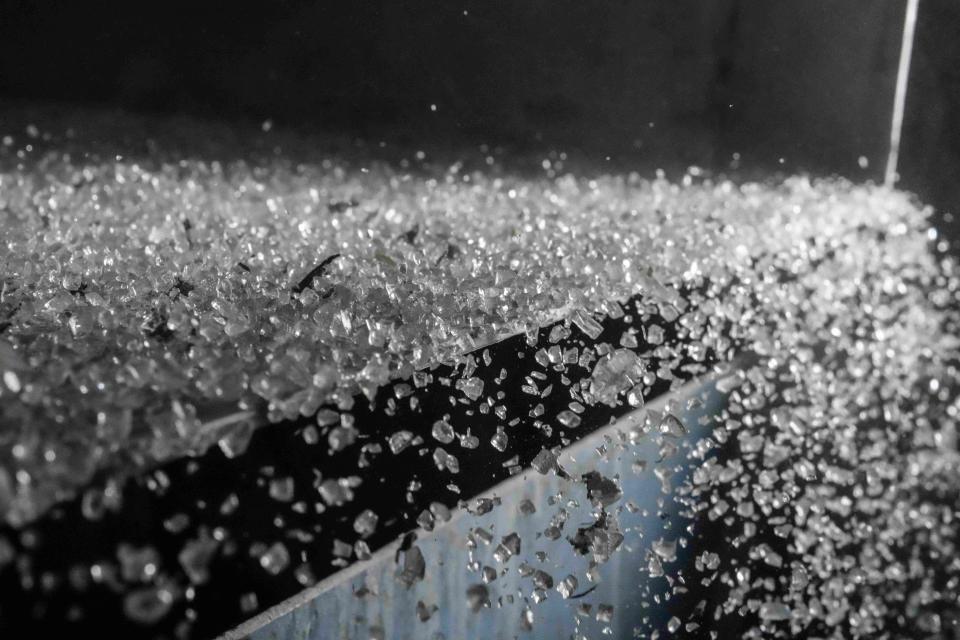
Another advantage is the lower energy consumption involved in glass production. Using just ten per cent of recycled cullet can save around three per cent in energy and approximately five per cent in CO₂ emissions. Glass’s versatility also makes it an ideal recycling product. Recycled cullet can be used, amongst other things, for container glass, flat glass, foam glass, expanded glass or glass powder. This means the material remains suitable for numerous applications.
Glass thus fulfils the key requirements for high-quality recycling. It can be recycled without any loss of quality, replaces virgin raw materials, saves energy and reduces CO₂ emissions.