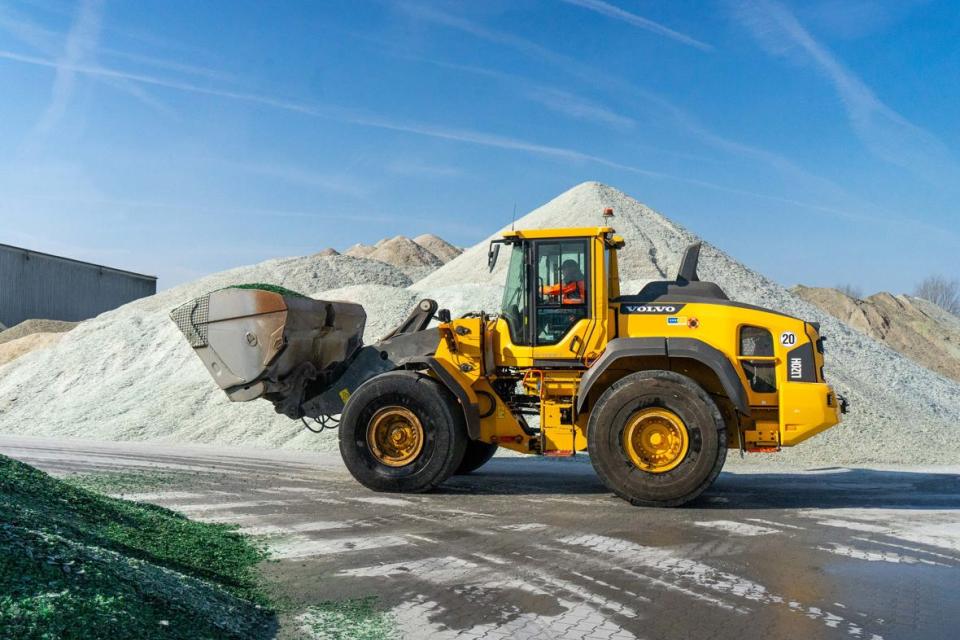
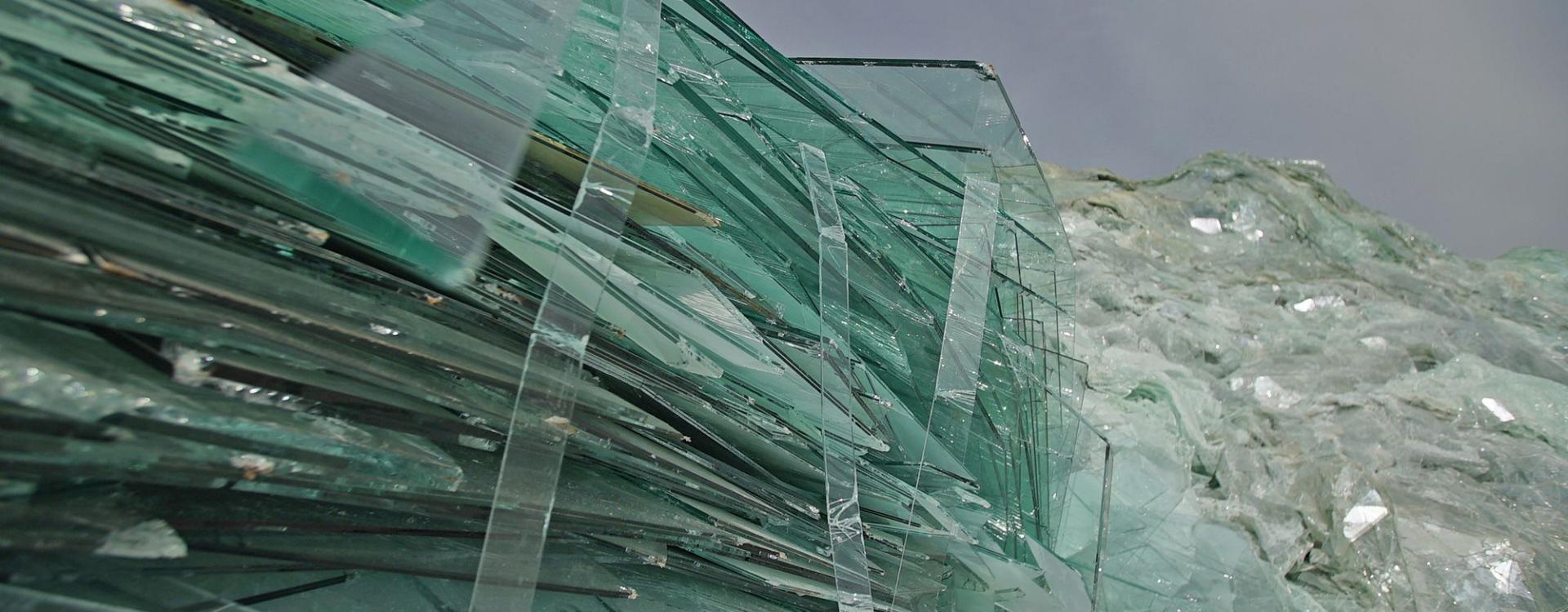
What actually happens to window panes, car windows or laminated safety glass when they are no longer needed? This is how flat glass recycling works: instead of becoming waste, they can be turned back into a valuable raw material through professional processing. At our recycling sites, we process different types of flat glass in several stages, thereby creating the conditions for their reuse in the glass industry.
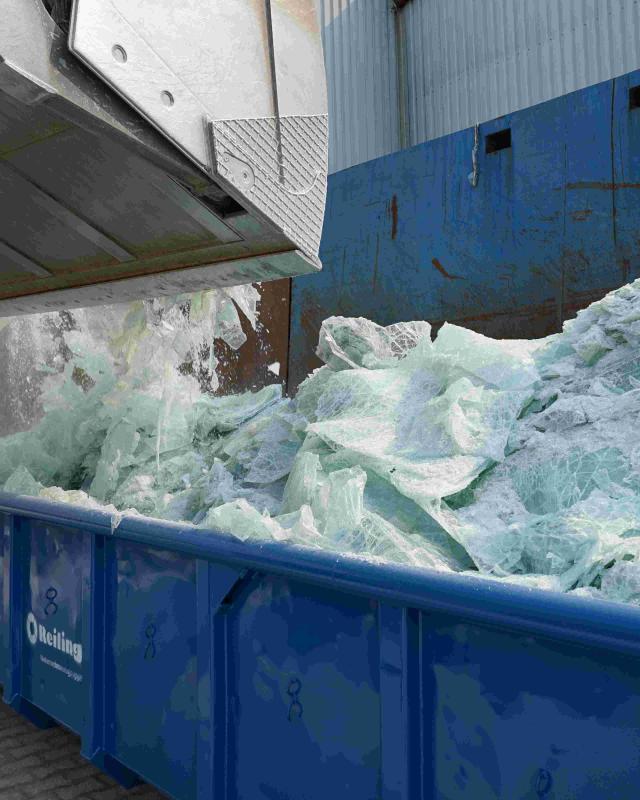
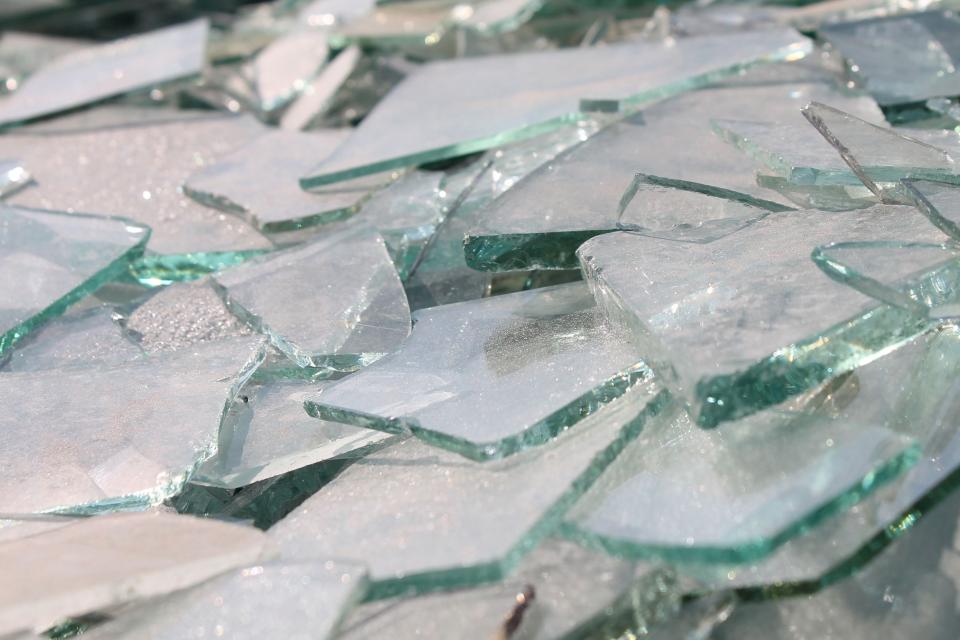
Collection, crushing and sorting of flat glass
The recycling process begins with collecting materials that are as sorted by type as possible. At our recycling sites, for example, windows, car windscreens, safety glass and float glass are collected separately. High-quality input material facilitates the subsequent processing and contributes to an efficient recycling process.
In the first stage of the actual processing, the flat glass is mechanically crushed. This breaks up composite materials and makes the individual components easier to separate from one another. This is particularly important as, depending on the type, flat glass does not consist solely of glass. One example of this is laminated safety glass, in which several panes of glass are bonded together by a plastic film. Crushing lays the groundwork for separating the glass from other materials in the subsequent process steps.
Once the material has been crushed, the targeted sorting process begins. During this process, non-glass materials are progressively removed from the material stream. These include, for example, plastic layers and films, window frames, ferrous and non-ferrous metals, wires and other foreign materials. This so-called separation is carried out using various technical processes. Magnets and non-ferrous metal separators are used to remove metallic components, whilst suction systems separate lightweight materials from the material stream. In addition, electro-optical sorting units are used, and much more besides.
High-quality glass cullet as a secondary raw material
Following the various crushing, separation and sorting stages, high-quality recycled glass cullet remains. This can be reused in glass production – particularly in the float glass and container glass industries – and remelted. With optimal collection and careful processing, glass can be returned to the recycling cycle time and time again without any significant loss of quality.