Disposing of glass bottles: Efficient recycling starts with proper sorting
We would like to take today’s World Recycling Day as an opportunity to highlight the correct disposal of waste glass and to show how important it is to sort waste glass properly – for better recycling. This is because recycling glass conserves natural resources and protects the environment, as the recovered secondary raw materials replace primary raw materials (like soda, sand and lime) in downstream industries. Furthermore, the use of recycled materials in the manufacture of new glass products can save significant amounts of energy and reduce CO₂ emissions.
An important prerequisite for efficient recycling is the collection and separation of recyclable materials by type. If materials are mixed together or contaminated by other substances, the effort required in the recycling process increases considerably. At the same time, the quality of the recovered material decreases, making it more difficult to reuse it in high-quality applications within closed material cycles.

Glass recycling bins: What goes in and what doesn’t?
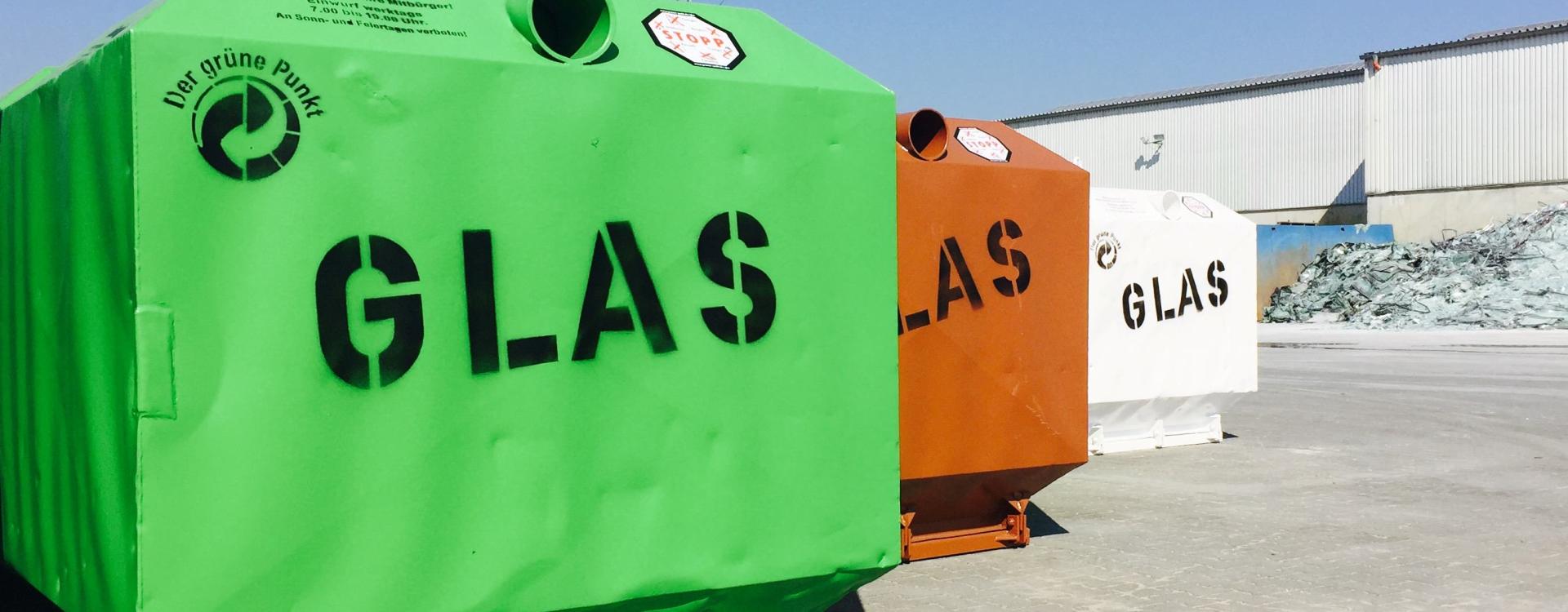
Glass recycling bins are for glass beverage bottles, such as wine bottles, as well as glass jars, such as jam jars. Glass containers for pharmaceuticals and cosmetics, such as empty medicine bottles, deodorant roll-ons or perfume bottles, can also be disposed of there. Empty glass bottles and other glass packaging should be sorted by colour – white, green and brown – and placed in the appropriate glass recycling bins. If there is no separate container for amber glass, this should be placed in the mixed glass container, where both green and amber glass are collected. Due to their different chemical compositions, certain types of glass can interfere with the melting process during the manufacture of new glass products. Therefore, not every type of glass may be disposed of in the glass recycling bin.
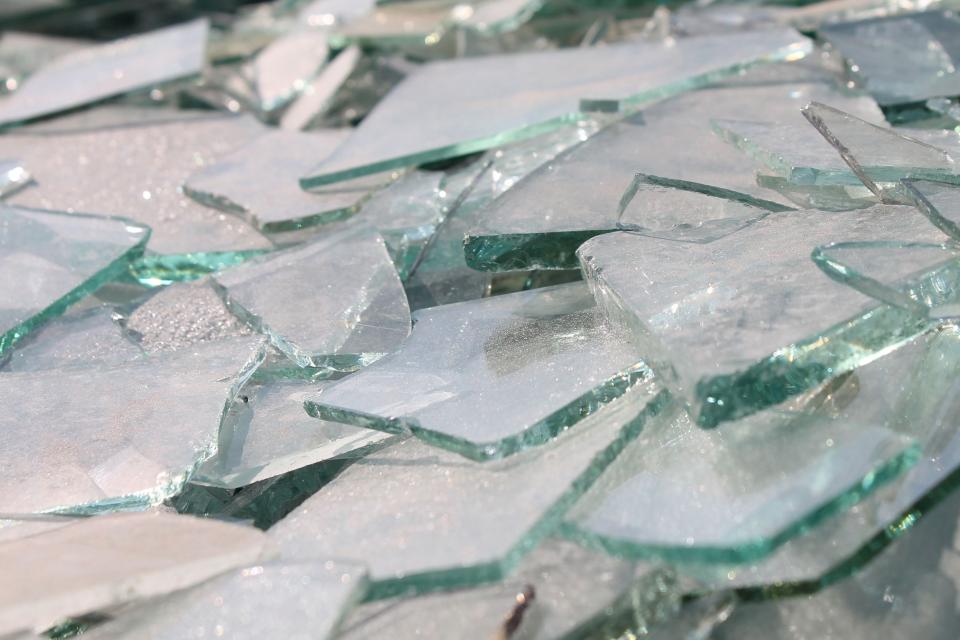
Items such as porcelain and ceramics – including cups, plates and earthenware bottles – should not be placed in the glass recycling bin. Heat-resistant glass, such as that found in ceramic hobs, oven doors, baking dishes or laboratory glassware, must not be disposed of there either. Lead crystal glass, such as carafes or drinking glasses, and packaging such as Tetra Paks and PET bottles are also unsuitable. Furthermore, light bulbs, energy-saving bulbs and fluorescent tubes do not belong in the glass recycling bin. The same applies to batteries and other waste, such as plastic bags. Flat glass, such as window or mirror glass, is collected separately and subsequently recycled using special processes.
Glass packaging does not need to be rinsed out before disposal. The only important thing is that the packaging is completely empty. Lids can be left on the glass containers, as they are easily separated out during the recycling process.
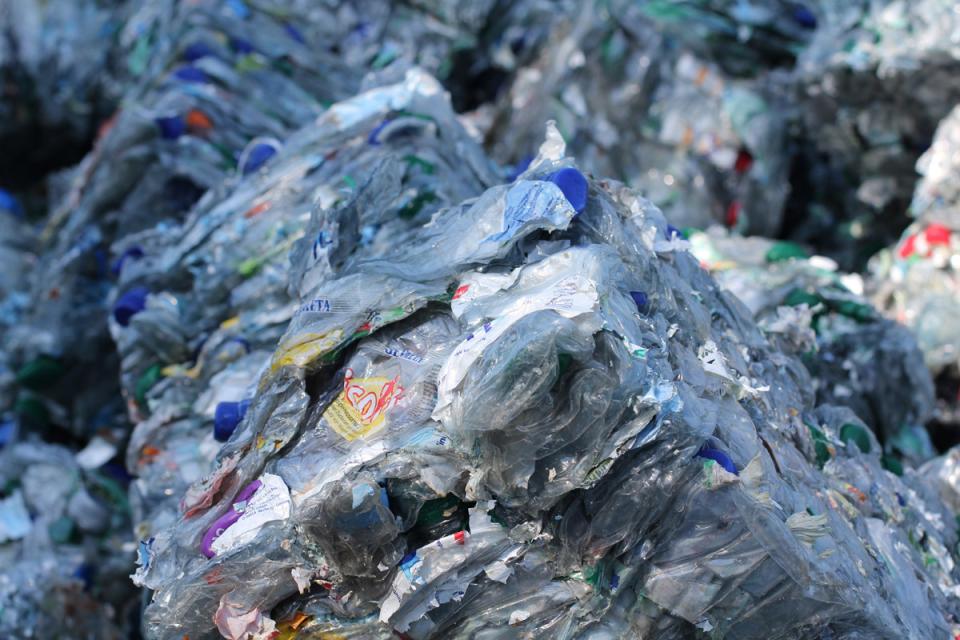
As well as glass containers, we also recycle wood, PET bottles, photovoltaic modules and flat glass. In all these areas, the correct sorting and collection of materials is crucial for efficient recycling and well-functioning material cycles. In this way, we work together to conserve valuable raw materials and protect our environment in a sustainable manner.