Disposing of glass bottles correctly
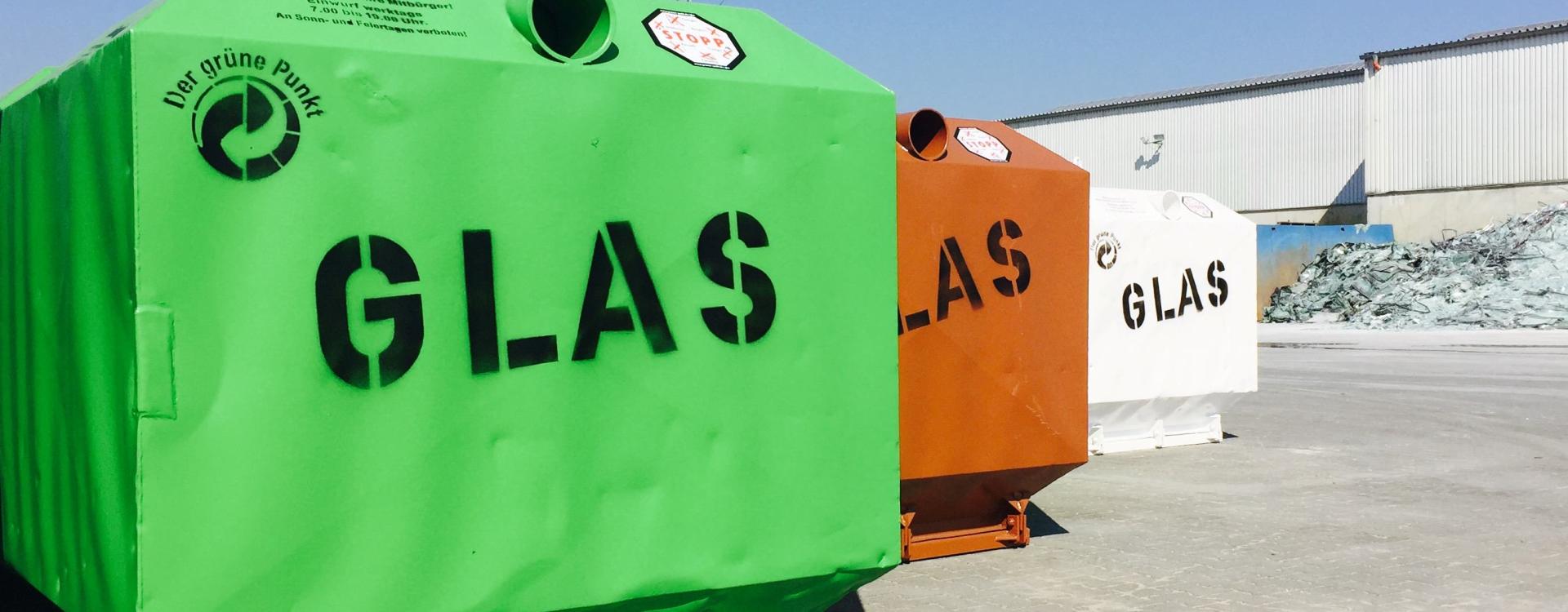
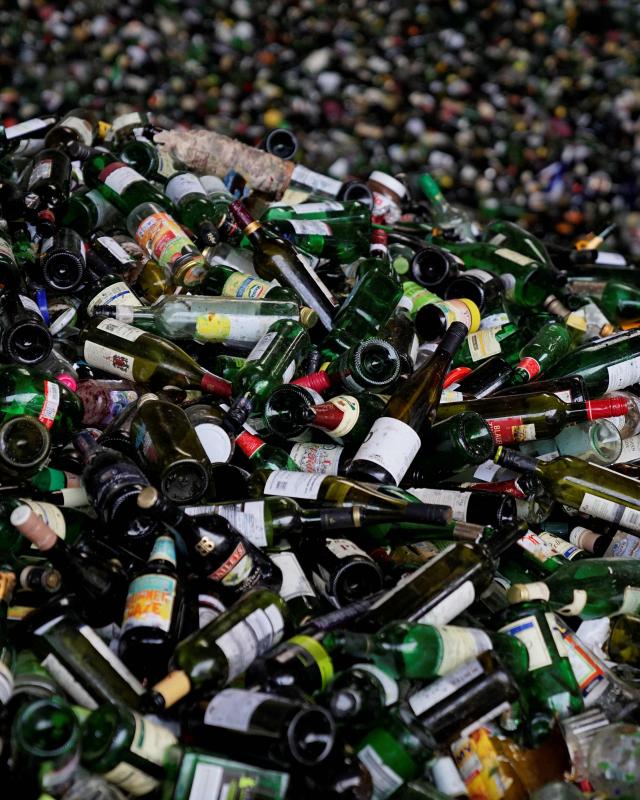
Disposing of used glass correctly – it sounds simple, but it is crucial for an effective glass recycling system. This is because high-quality glass packaging can only be produced from glass waste if it is collected separately by type. Even a small number of items placed in the wrong bin can compromise the quality of the collected glass cullet and make the recycling process considerably more difficult. Only glass packaging should be placed in the glass recycling bins. This includes glass drinks bottles, tins, jam jars and preserving jars, as well as pharmaceutical glass containers and cosmetic glass packaging, such as perfume bottles. The key requirement is that the items are packaging glass and do not contain any foreign materials.
The glass for recycling is collected separately by colour and then processed into new glass products. Recycling conserves valuable raw materials, saves energy and reduces CO₂ emissions.

What should not be put in the glass recycling bin?
It is equally important to ensure that foreign materials are consistently kept out of the glass recycling bin. Many consumers wonder what is and isn’t allowed in the glass recycling bin. The following materials do not belong in the glass recycling bin:
- Porcelain and ceramics, such as cups, plates or earthenware bottles
- Heat-resistant glass, such as hobs, oven doors, baking dishes or laboratory glassware
- Lead crystal glass, such as carafes or crystal drinking glasses
- Tetra Paks and PET bottles
- Light bulbs, energy-saving bulbs and fluorescent tubes
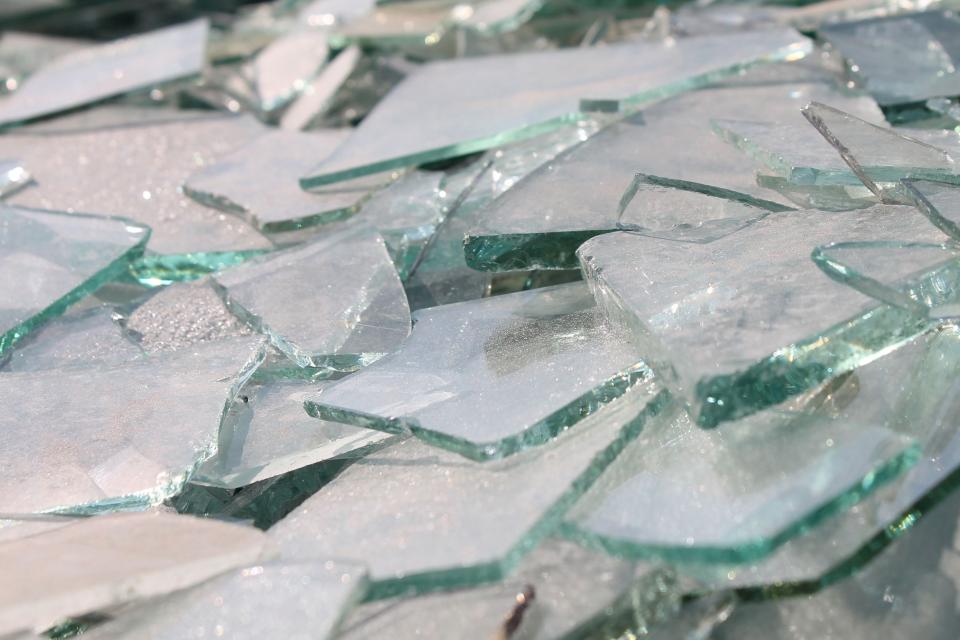
- Flat glass, such as window panes or mirror glass
- Batteries
- Residual waste, such as plastic bags or other rubbish
Although some of these materials may look like ordinary glass at first glance, they differ significantly in their composition and therefore cannot be recycled alongside packaging glass.
Why is putting the wrong items in the glass recycling bin a problem?
The most important raw material for the production of new glass packaging is high-quality cullet. To ensure that this can be turned back into flawless glass products, the cullet must be as free from impurities as possible. If foreign materials end up in the glass recycling bins, they reduce the quality of the cullet and complicate the recycling process. Glass-ceramics – used, for example, in hobs, ovenproof dishes and laboratory glassware – are particularly problematic. This material has different physical properties to packaging glass and does not melt completely in the glass melting furnace. Even a single piece of glass-ceramic can be enough to cause inclusions or stresses in the newly produced glass. The result is quality defects that may render the finished glass product unusable.
The correct disposal of waste glass starts with you. Anyone who puts only suitable glass packaging into the waste glass container and consistently disposes of foreign materials separately makes an important contribution to glass recycling. This is because only single-type waste glass can be repeatedly processed into new glass packaging and remains permanently within the recycling cycle.