What properties make PET an ideal material for recycling?
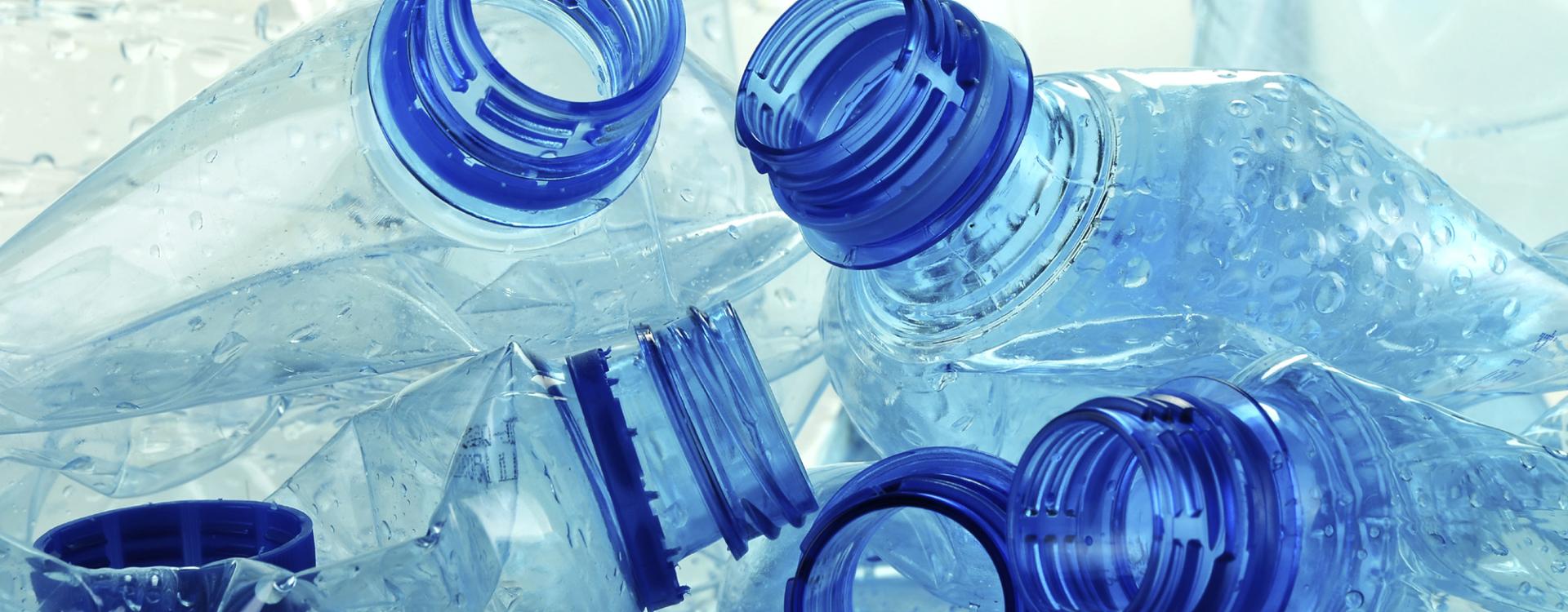
PET is one of the world’s most important plastics for food and drink packaging. The material is lightweight, durable and particularly easy to recycle. This allows valuable raw materials to be kept in the cycle and high-quality recycled materials to be produced. One example of this is bottle-to-bottle recycling: a used PET bottle can be recycled to create a new PET bottle.
Compared with the production of virgin PET, the use of PET recyclates significantly reduces both CO₂ emissions and energy consumption. PET recycling thus makes an important contribution to climate and resource protection.
Well-developed collection and return schemes ensure that PET bottles can be collected by type and fed into the recycling process. Modern sorting and processing technologies enable the production of high-quality PET recyclates, which are used in numerous applications – particularly for the production of new PET bottles.
High-quality PET recyclates can also be used for food-contact applications. Scientific studies also show that no plasticisers or bisphenol A (BPA) are used in the manufacture of PET. In the case of high-quality recyclates, strict controls ensure that statutory limit values are reliably adhered to and that there is no risk to health.
Our PET recyclates come from controlled collection schemes and are regularly tested by independent laboratories. Rigorous recycling processes and statutory requirements ensure high quality. Approval for food contact is granted in accordance with, amongst other things, the requirements of the European Food Safety Authority (EFSA).
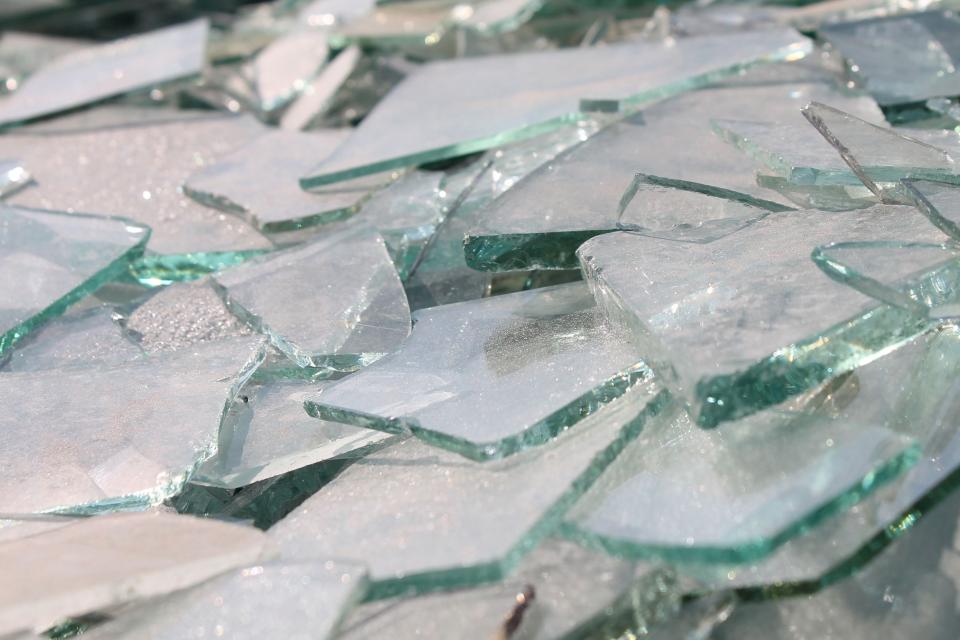
However, it is not only PET that offers excellent conditions for a functioning circular economy. Materials such as glass and wood, as well as the individual components of solar panels, can also be processed and recycled to a high standard.