
Why are there categories for waste wood?
Reclaimed timber is a valuable raw material and plays an important role in the circular economy. To ensure that timber can be recycled or reused to the highest possible standard after it has served its purpose, it is classified into different categories of reclaimed timber. This classification helps to assess the condition of the timber and any potential contaminants, and to select the most suitable method of reuse. Not all waste wood is the same. Whilst some timber is left in its natural state, other types have been varnished, coated or treated with wood preservatives. These differences affect how the material can be further processed or utilised. Classifying waste wood into categories ensures that it is sorted correctly and treated in accordance with the applicable guidelines.
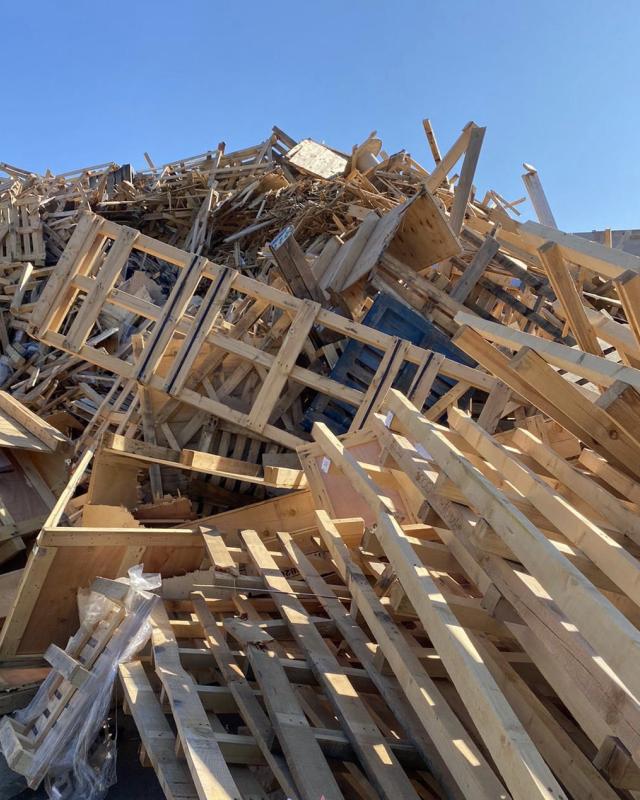

An overview of waste timber categories
Waste wood category 1: Category A1 comprises natural or merely mechanically processed wood. Typical examples include untreated pallets, packaging timber or wood offcuts from production.
Waste wood category 2: Category A2 comprises wood that has been glued, coated, varnished or painted. The substances used must not contain any organohalogen compounds or wood preservatives. Furniture, chipboard or coated wood-based materials often fall into this category.
Waste wood category 3: Category A3 comprises wood with halogenated organic coatings or comparable treatments. This includes, for example, composite materials or wood with such coatings.
Waste wood category 4: Category A4 comprises wood treated with wood preservatives or otherwise contaminated with harmful substances. This includes, for example, railway sleepers, utility poles or heavily impregnated timber.
Why is it important to classify waste wood correctly?
Correct classification into a waste wood category helps to facilitate high-quality recycling processes, conserve resources and comply with legal requirements. In our complete overview, you will find a detailed breakdown of which materials fall into each waste wood category. If you have any questions regarding the classification of waste wood or our acceptance criteria, we would be happy to advise you. Together, we will find the right solution for the professional and sustainable recycling of your waste wood.