The journey of a PET bottle – from collection to a new PET bottle
Millions of PET bottles are returned every day. But what actually happens to an empty bottle once it has been collected as part of the deposit-return scheme? A used PET bottle can be turned into a new PET bottle. PET is one of the plastics that can be recycled to a high standard and repeatedly returned to the recycling cycle.
The recycling process begins with the collection of PET bottles. We support bottling plants and food retailers with bespoke collection solutions and, depending on requirements, offer collection bins in various sizes, stationary PET balers, mobile briquetting presses or stand-alone solutions in accordance with the Packaging Ordinance. Flexible on-demand collection is available.
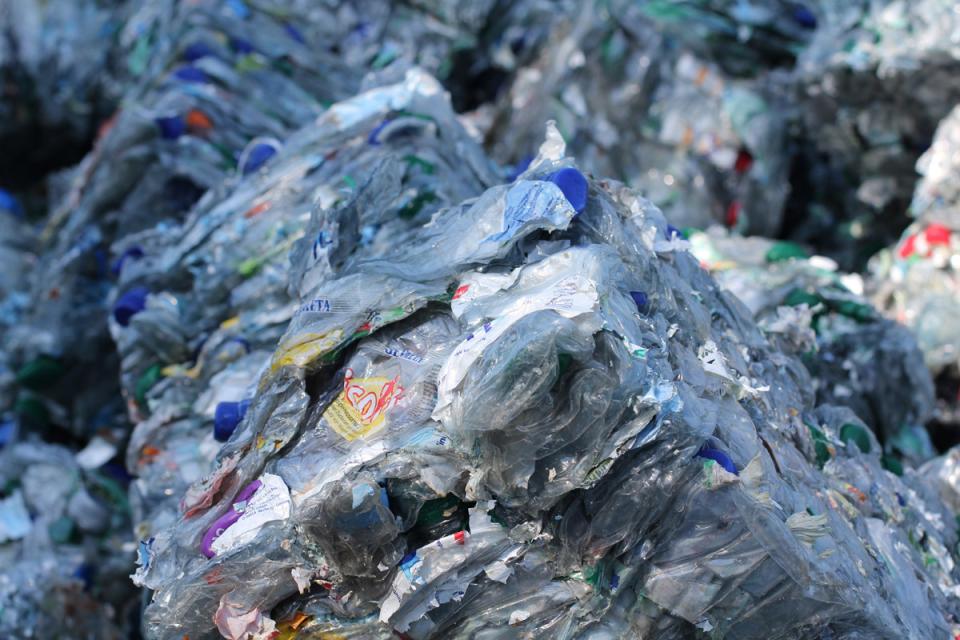
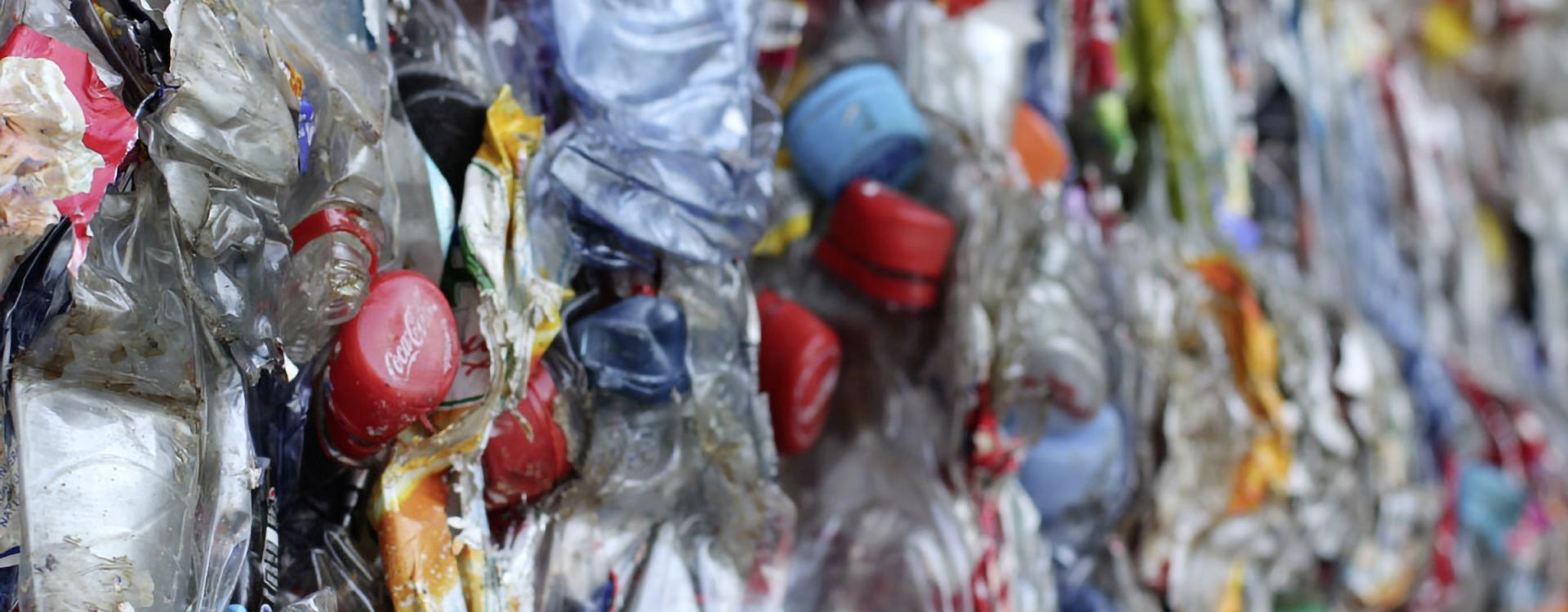
After collection, the PET bottles are compressed into bales and/or briquettes. This saves space and enables efficient transport to the recycling plants. There, any contaminants such as foreign plastics, metals or labels are first sorted out. The bottles are then sorted by colour, shredded and thoroughly washed in several cleaning stages. This produces clean PET flakes – a high-quality secondary raw material for further processing.
The cleaned PET flakes are used to produce food-grade PET granulate via a specialised process. The PET granulate meets the highest quality standards and can then be reused in the production of new PET bottles. This closes the recycling loop: an old PET bottle is turned into a new one.
PET is therefore a key component of the circular economy. Find out more about our PET recycling.