The Reiling Group is devoting itself to a topic of the future in industry. The family-owned company recycles all kinds of materials and is the largest recycler of PET bottles in Germany.
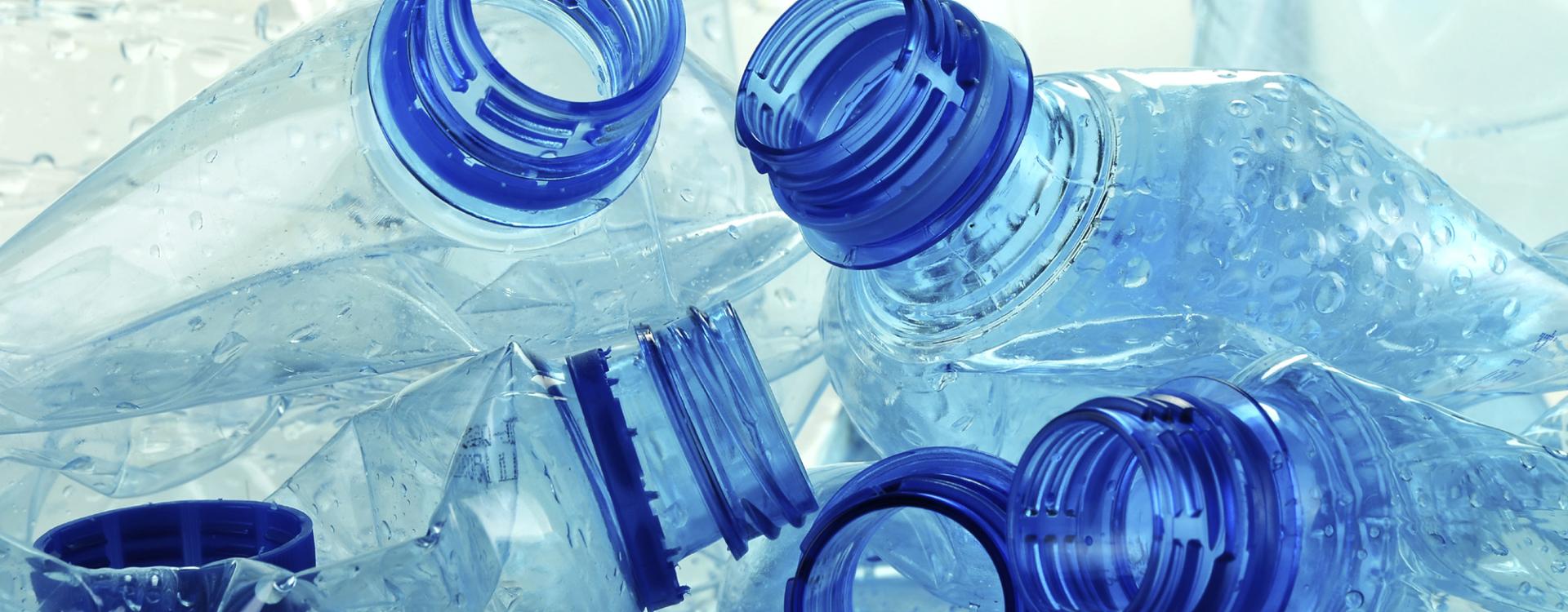
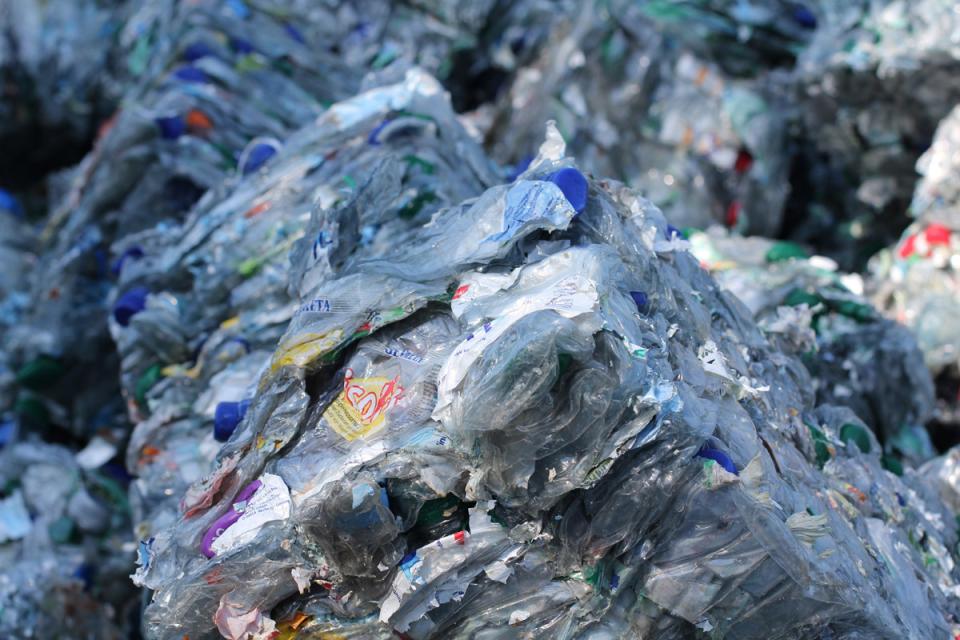
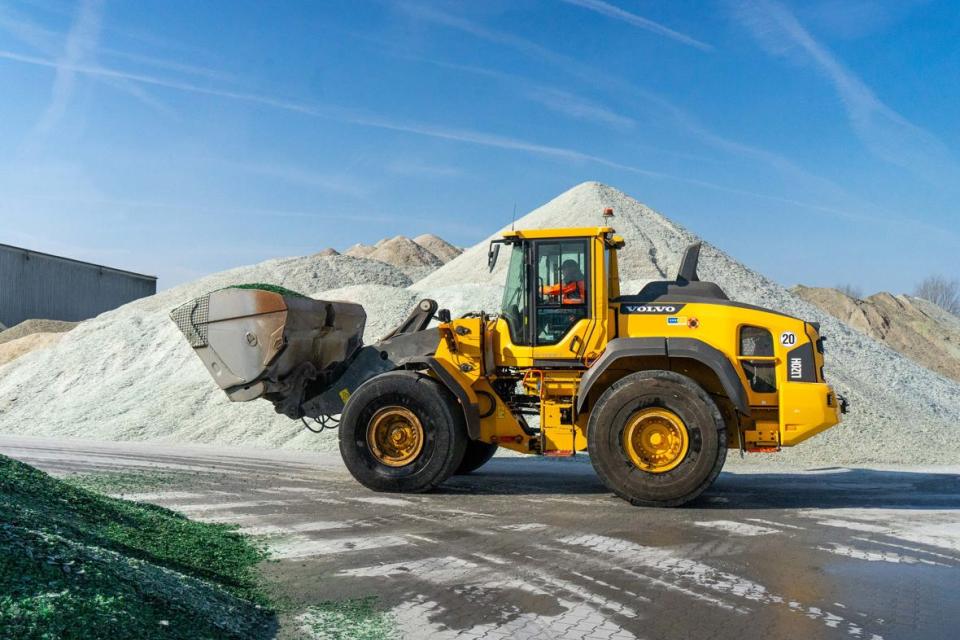
Everything is so beautifully colourful here: The bales, which are stacked into blocks as high as a house on the Reiling Group's premises, glow in all colours. A closer look reveals that they are made of PET bottles that have been compressed into transportable cubes of about one cubic metre. Here, work is being done on one of the central topics of the future of the economy: recycling. PET bottles are recycled: The Reiling family business, which was founded more than 100 years ago, is now one of the largest PET recyclers in Germany. Up to 70,000 tonnes of the light and stable PET disposable containers are processed every year at the Reiling plants in Hamm and Marienfeld in East Westphalia. Reiling also returns other used recyclable materials, such as wood, glass, paper or electronic scrap, to the economy as secondary raw materials for the manufacture of new products.
How does the material cycle work? Bottles made of PET (polyethylene terephthalate) are first pressed into bales when they are returned to discounters or supermarkets. At the Reiling plants, they are first pre-sorted, separated by colour and then shredded. After a cleaning and drying process, small flakes in different colours and qualities are produced, so-called "flakes", which form the basic materials for new products. Some of them are added to the new material, which is used to make new beverage bottles, for example. Another part goes into the production of polyester textile fibres or thermoforming sheets, which are further processed into packaging, dental prostheses or protective films. Innovations for the circular economy: According to the OECD (Organisation for Economic Co-operation and Development), Germany leads the world in recycling. Processes are currently being researched to develop closed material cycles in plastics recycling. Companies and research institutes depend on government funding to optimise the technologies, secure the know-how that has grown up in Germany and develop innovations. Recyclates made from plastics or other materials produced using modern processes can be used in a wide variety of ways thanks to the same or deliberately different product properties. Metals from car catalytic converters, for example, can find new use in a fuel cell. Cobalt from the recycling of laptop or mobile phone batteries could be reused in lithium-ion batteries. According to analyses by the Federal Institute for Geosciences and Natural Resources, recycled raw materials already cover more than 50 per cent of the raw material demand in German production in some areas. Recycling is therefore an important pillar for securing raw materials 4.0, alongside the use of domestic raw materials and imported raw materials.
(Source: bdi.eu © Christoph Morlinghaus/ Projekt "Superlative - Made in Germany")